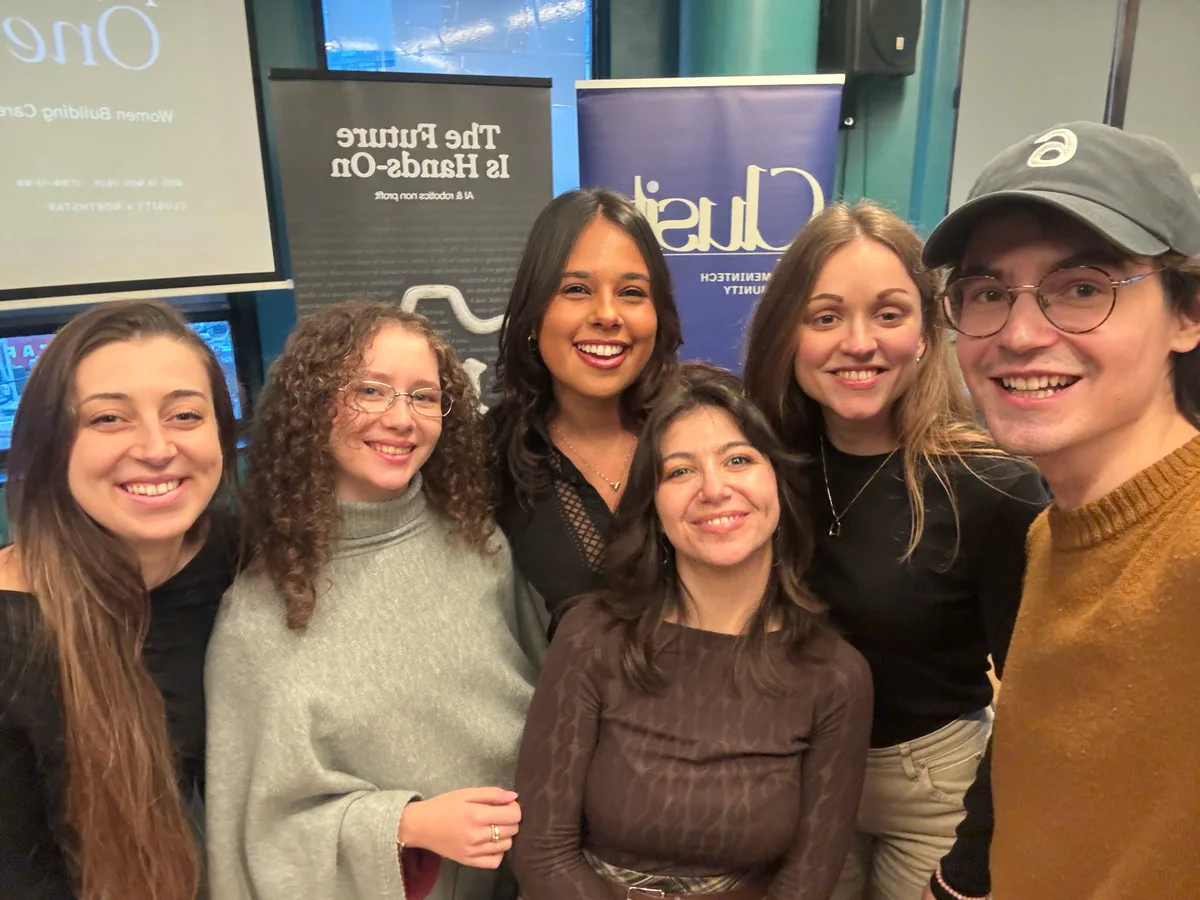
Many Paths, One Community: Career Advice from Three Women Building Careers in Tech
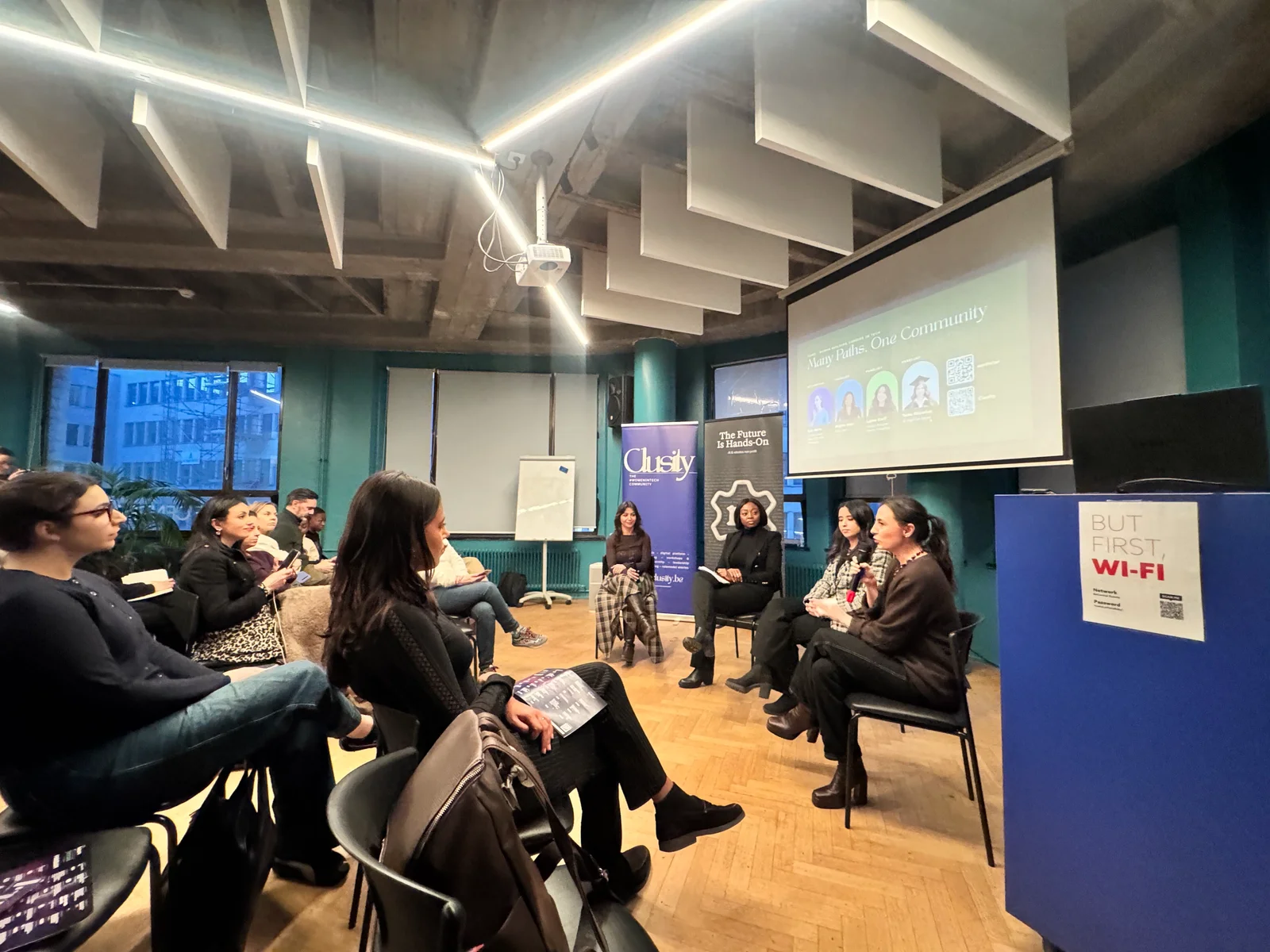
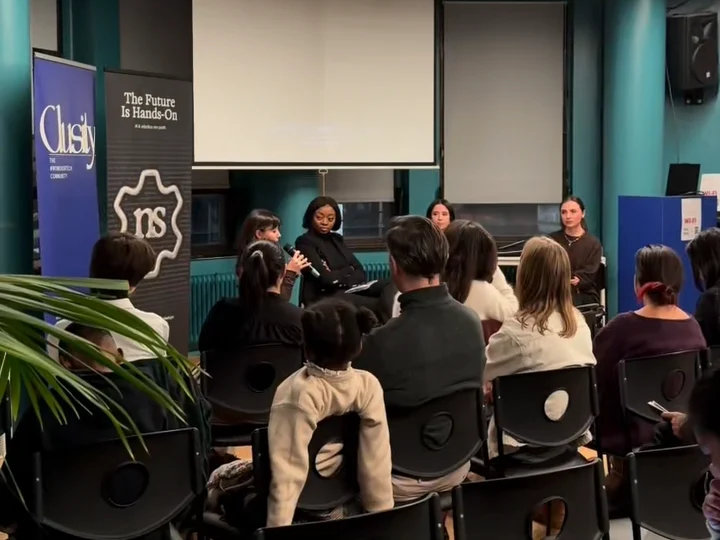
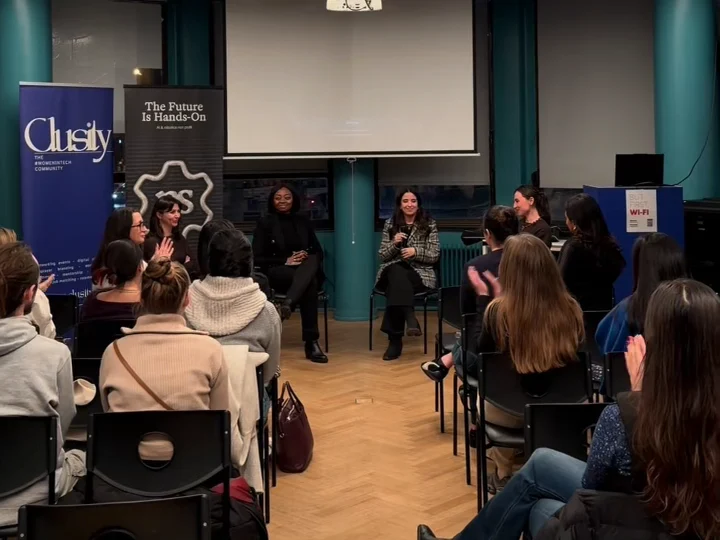
On 18 November 2026, northstar and Clusity organised Many Paths, One Community: Women Building Careers in Tech at BeCentral in Brussels, as part of The Future of Tech is Female.
Here’s a recap of the speakers’ advice on entering tech, learning new skills and finding support.
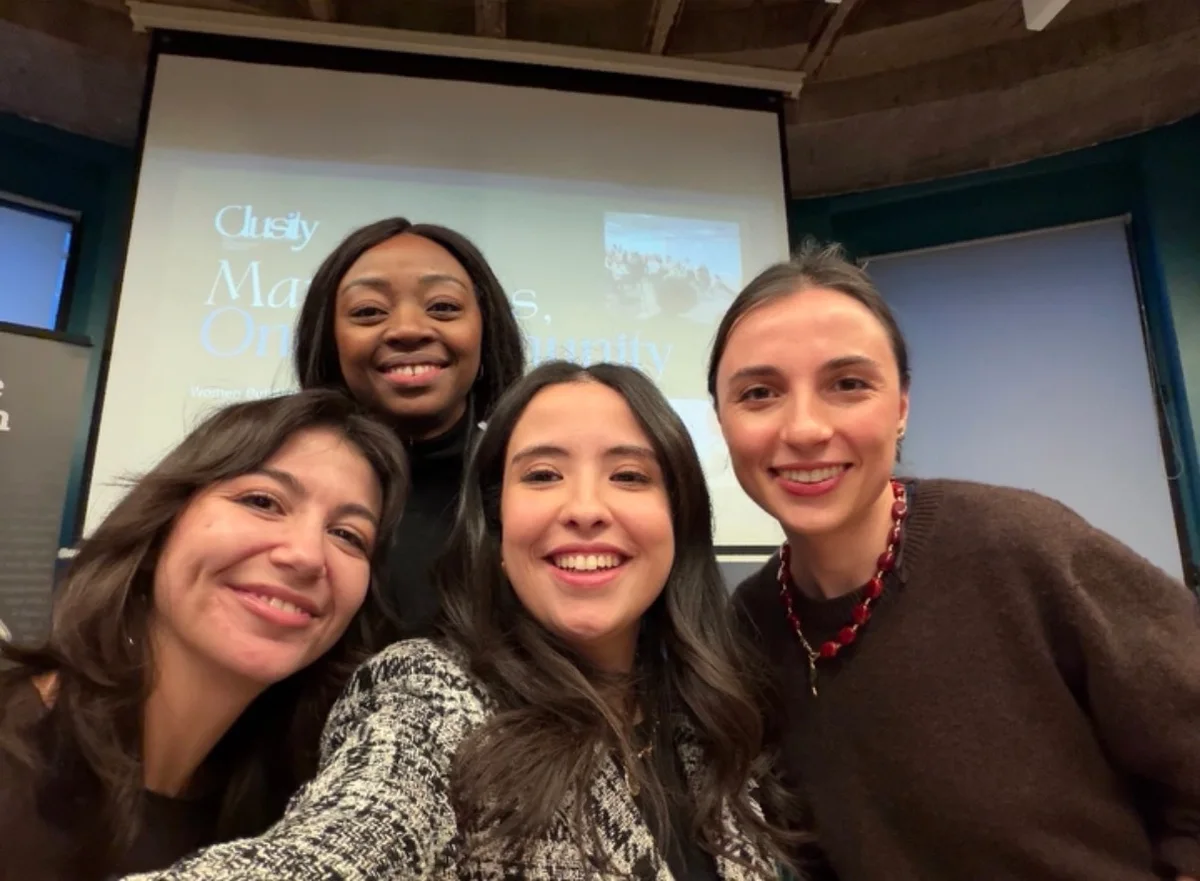
- Tutku Kılıçaslan AI Engineer at Cavell
- Lujane Elarif Product Designer at Branch Consulting
- Brigitte Bella Co-founder & CEO of Cevia AI
What first drew you into tech?
Tutku
“I’m interested in poetry, and seeing GPT-2 generate poems made me curious about how the technology worked. I became really interested in machine learning. It was one of the hardest courses I had ever taken, but I succeeded, and I loved solving the problems. I thought, ‘Maybe I should go a little further on this journey.’ That led me to a master’s in data science and statistics.”
Lujane
“As a teenager, I was obsessed with the internet and learning how to customize templates. I experimented with HTML and CSS, but I didn’t see it as a career. Later, I did an internship as a digital business analyst and discovered the whole product development cycle. That was where my interest in technology came together with my interest in understanding people.”
Brigitte
“I was a career coach, and I ran an e-commerce business on the side. A few years earlier, building my website had taken a month, with a lot of tears and calls to my web developer. When I first saw ChatGPT, I immediately saw its potential for businesses like mine. I wanted to learn more.”
Who helped you move forward?
Tutku
“I was stuck on my master’s thesis. At a workshop, I learned how to use the Transformers library in just a few lines of code. That helped me move forward, and the thesis project eventually helped me land my first job. My employer was impressed that I had embraced a new technology and applied it in a different context.”
Lujane
“When I was an intern, the person who supported me most was another young woman on the team. She was someone I felt safe asking questions. My advice is to find your allies: reach out to people and make connections. The people you meet along the way can make your career more sustainable, and you can pass that support on to others.”
Brigitte
“I had a lot of support. My co-founder was my mentor and my coach. I also found support in the women-in-tech community. I was impressed that they didn’t start by asking about my background or where I came from.”
You spend around 80% of your time coding but come from a data science background. How do you manage that?
Tutku
“I use coding agents, and I check things with my colleagues. I don’t just use the tools to code; I learn from them too. I can ask the questions I might otherwise be afraid to ask. I really enjoy learning as I go. I don’t have a software engineering background, but I can still learn, especially when I’m surrounded by people who believe in my skills.”
What surprised you most about becoming a full-time founder?
Brigitte
“The amount of work. I thought becoming a founder would give me more time with my children. Instead, sometimes we start working at 2 a.m. and still haven’t finished at 9 p.m. It’s a huge amount of work, even on weekends.”
You’ve felt you had to work twice as hard to be taken seriously. How do you deal with that?
Brigitte
“I work hard and do my homework. My role is supposed to focus on the commercial side and management, but I’ve also done a lot of AI training, and I keep learning. As women, we can feel we’re not enough, even though we are. I put a lot of work into learning the tools so I can feel confident. I’m not sure working this much is always the right approach.”
How do you deal with being underestimated?
Tutku
“When I started, I was the only woman and the only international person on my team. I wouldn’t say it made me disappointed. I looked beyond my own role for people I could learn from and get constructive feedback from. I found people who made me feel safe and seen, and I looked for opportunities to work with them. For me, finding allies isn’t only about gender; it’s about who makes you feel psychologically safe.”
Lujane
“I work in tech and banking, so I’ve often been the only woman, or the only young woman, in the room. I had to learn how to earn people’s trust and explain the value of what I was proposing. But I also learned to notice the obstacles I was putting in my own way. If they hired me, I deserve to be there. I can make my voice heard, ask questions, and contribute.”
Brigitte
“Alongside commercial development and partnerships, I spend a lot of time learning AI and how to use the tools. That knowledge helps me feel more confident in what I’m doing.”
What do you do when someone blocks your progress?
Tutku
“I left that environment, and it was one of the best decisions I made. It gave me a better opportunity, and now I work with a team that sees my value. Sometimes it’s better not to spend your energy in a place where you’re struggling just to exist. That isn’t giving up; your wellbeing matters too.”
Lujane
“I tried to understand what would resonate with the person making the decision. Sometimes I said, ‘Let me handle that project. It’s more in line with the next role I want.’ That gave me a chance to show what I could bring. At the end of the day, senior managers are people too. You have to understand what matters to them and make your value visible.”
Brigitte
“For me, the context is different: I’m talking about business. I have a potential client I’ve been pursuing for a year, and I’m still following up. I keep pushing for those opportunities.”
What accomplishment are you most proud of?
Tutku
“I’m proud of the network I’ve built in Belgium as an international professional, even without speaking the main languages well. I feel I can reach people across the AI field, and I’ve found jobs through that network. I also try to help people who reach out to me. It feels like a community that genuinely helps each other.”
Lujane
“I’m proud that I keep following my curiosity. I keep an open mind instead of boxing myself into something just because I once said I would do it. I explore things that interest me, ask questions, and think about how I can apply what I learn. In an industry that keeps changing, I’m happy I still return to what gives me energy.”
Brigitte
“I’m proud that I chose my own life. I didn’t let my family or society decide for me, and I didn’t wait for someone’s blessing. I’m happy with my work and my team, even when there are difficulties. I’m proud of those choices.”
What would you do differently if you could start again?
Tutku
“I would ask more questions. I held myself back because I didn’t want to sound uninformed, but asking is how you learn. It’s also how you find the people who enjoy helping you, and those people can become your allies. I ask more questions now, but I wish I’d started sooner.”
Lujane
“I was excited to contribute, but I held myself back and waited for permission or validation. I had ideas, and even if they weren’t fully formed, discussing them with colleagues could make them stronger. I would spend less energy overthinking and more energy contributing and developing my skills.”
Brigitte
“I would change how I structured the company at the beginning. My dream was to create jobs, so I hired people onto the payroll early. Looking back, that wasn’t the right decision for the company’s finances. I would approach that stage differently.”
What would you tell someone starting or switching into tech?
Tutku
“Start by getting to know yourself: what energizes you, what motivates you, which people you like working with, and which industries interest you. Don’t just chase a job title because it sounds impressive. Find people doing work that interests you, reach out, and explore your own path.”
Lujane
“Look at the skills you already have. You might be surprised how many apply to tech, because tech isn’t just coding. Experiment and talk to people doing the jobs you’re curious about. I’ve already changed roles, titles, and fields several times, and I’m only seven years into my career. Don’t let the pressure to make a perfect decision stop you from taking the first step.”
Brigitte
“Take the first step and see whether it’s right for you. We have AI and so many tools available now. Try them. Don’t hesitate to try.”